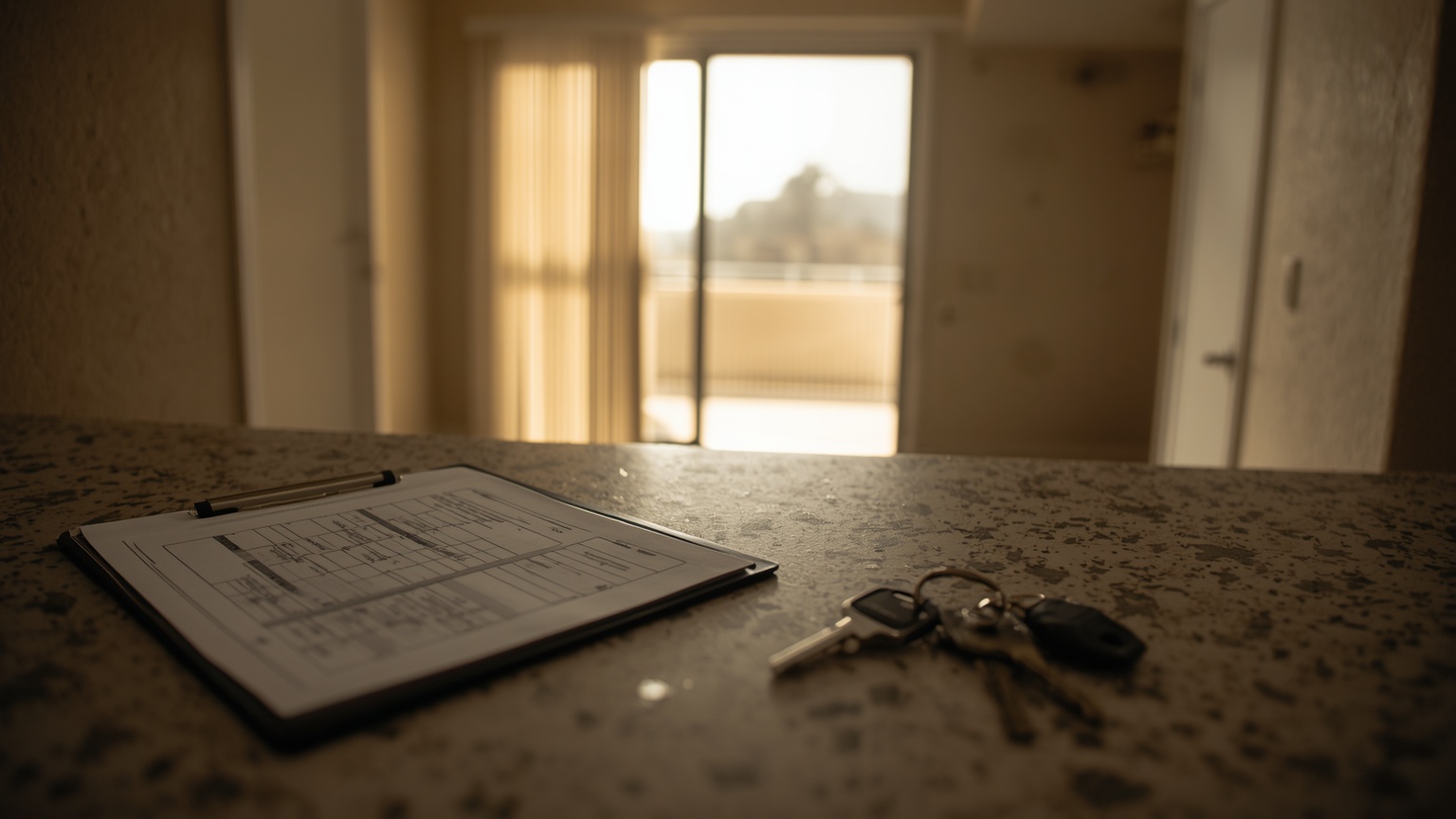

Completing the eviction of a tenant through California’s unlawful detainer process is only half the battle. What happens in the hours and days immediately following the sheriff’s lockout can determine whether a landlord minimizes losses or inadvertently creates new legal exposure. A disciplined post-eviction protocol is essential for any real estate investor or private lender who takes possession of rental property after a foreclosure or tenant default.
The Critical First Hours After Lockout
Once the sheriff has executed the writ of possession and physically removed the former occupant, the clock starts running on several time-sensitive obligations. California law imposes specific requirements on landlords regarding abandoned property, security deposit handling, and re-entry procedures. Failing to act quickly and correctly during this transition period can result in liability that exceeds the cost of the original eviction.
Immediately Secure All Access Points
The moment the formal lockout is complete, every exterior lock on the property should be replaced. This includes not only the front door, but also back doors, garage entry points, side gates, and any other access points the former tenant may have had keys or codes for. Coordinate with a licensed locksmith to be on-site during the lockout itself so that rekeying can begin as soon as the sheriff clears the premises.
The urgency here cannot be overstated. Former tenants who have been forcibly removed sometimes attempt to re-enter the property within hours of the lockout, particularly if they believe personal belongings remain inside. California Penal Code Section 602.5 makes unauthorized entry into a dwelling a misdemeanor, but preventing re-entry is far less costly and disruptive than pursuing criminal charges after the fact.
Secure Utilities and Building Systems
Before beginning any inspection, verify the status of all utilities. In many cases, departing tenants will have shut off electricity, gas, or water service. In others, utilities may still be running under the tenant’s account and subject to disconnection at any time. Transfer all utility accounts into the property owner’s name immediately to prevent service interruptions that could lead to property damage, particularly in extreme weather conditions.
Check HVAC systems, water heaters, and any other mechanical equipment for signs of tampering or neglect. Document the operating condition of each system before making any changes.
Conducting the Property Condition Assessment
A thorough, documented walkthrough is the foundation of any post-eviction damage claim and is required for proper security deposit accounting under California Civil Code Sections 1950.5 through 1950.7.
Photographic and Video Documentation
Walk every room of the property and record high-resolution photographs and video of all surfaces, fixtures, appliances, and structural elements. Pay particular attention to:
- Walls, ceilings, and floors for holes, stains, burns, or unauthorized modifications
- Kitchen and bathroom fixtures for damage beyond normal wear and tear
- Windows and doors for broken glass, damaged frames, or missing hardware
- Exterior areas including landscaping, fencing, driveways, and outbuildings
- Any evidence of pest infestation, mold growth, or water damage
Distinguishing Normal Wear from Tenant Damage
California law draws a clear line between ordinary wear and tear, which is the landlord’s responsibility, and damage caused by the tenant’s negligence or intentional conduct, which may be deducted from the security deposit or pursued through a civil action. A detailed photographic record taken at move-in (if available) compared against the post-eviction documentation provides the strongest evidence for any subsequent claim.
Handling Abandoned Personal Property
Under California Civil Code Section 1983, landlords must follow specific procedures when a former tenant leaves personal property behind after an eviction. The landlord is required to provide written notice to the former tenant describing the property and providing a deadline for retrieval, typically 15 days if notice is personally delivered or 18 days if mailed. Property valued at less than $700 at the time of the notice may be disposed of by the landlord after the notice period expires. Property valued at $700 or more must be sold at public auction, with proceeds applied first to storage costs and then to any outstanding amounts owed by the former tenant.
Failure to follow these procedures can expose the landlord to liability for the value of the property, regardless of what the tenant owes.
Pursuing Damage Recovery
When the cost of repairs exceeds the security deposit, landlords have several options for recovering the difference.
Small Claims Court
For amounts up to $10,000 (or $5,000 for most businesses), California’s small claims court provides a streamlined venue for damage recovery without the need for attorney representation. The landlord will need to present the move-in condition documentation, post-eviction photographs, and repair estimates or invoices to establish the amount of damages attributable to the tenant.
Civil Court Actions
For damage claims exceeding small claims limits, a civil lawsuit may be necessary. These cases require more formal discovery, witness testimony, and potentially expert assessments of repair costs. The eviction judgment itself does not automatically include a damage award, so a separate action is typically required.
Preparing the Property for Re-Leasing
Once repairs are complete and the property is in market-ready condition, the re-listing process offers an opportunity to strengthen the landlord’s position against future problems.
Reassess Tenant Screening Criteria
Every eviction provides data points that can improve future tenant selection. Review the screening process that led to the previous tenancy and identify any gaps. Consider whether additional verification steps, such as direct contact with prior landlords, employment verification, or more thorough credit analysis, would have identified the risk earlier.
Update Lease Terms
Examine the existing lease agreement for provisions that could be strengthened based on the specific issues encountered during the prior tenancy. Common areas for improvement include:
- Maintenance and repair obligations, clearly delineating tenant versus landlord responsibilities
- Property inspection clauses that allow periodic access for condition assessments
- Specific prohibitions against unauthorized occupants, subletting, or property modifications
- Clear default and cure provisions with defined timelines
Consider Professional Property Management
For landlords managing multiple units or those who have experienced repeated eviction cycles, professional property management can provide consistent enforcement of lease terms, systematic maintenance programs, and experienced handling of tenant disputes before they escalate to litigation.
Protect Your Real Estate Investment
Geraci LLP works with real estate investors and private lenders throughout California to protect their property assets and enforce their rights. From eviction proceedings through post-eviction recovery and lease structuring, our legal team provides the guidance landlords need to manage risk effectively. Contact Geraci LLP at (949) 403-3488 or visit us at 90 Discovery, Irvine, CA 92618 to discuss your property management legal needs.