
Understanding Market Cycles and Lending Strategy
Every successful private lender understands that market conditions fundamentally shape which loan products generate the best returns. Among the most important variables to monitor are interest rate movements, because they directly influence borrower behavior, property valuations, and the viability of specific lending strategies. When rates shift significantly, lenders who fail to adapt their product mix risk being caught on the wrong side of the cycle.
The relationship between interest rates and long-term rental loans, particularly those underwritten using the debt service coverage ratio (DSCR), illustrates this dynamic clearly.
The Interest Rate Environment of 2022
Following an extended period of historically low mortgage rates during 2020 and 2021, the Federal Reserve embarked on an aggressive tightening cycle in 2022 to combat inflation that had reached four-decade highs. The benchmark federal funds rate climbed sharply, with multiple consecutive rate increases pushing borrowing costs significantly higher across all real estate lending categories.
By mid-2022, the average 30-year fixed mortgage rate had already risen substantially from its pandemic-era lows, and forward market pricing indicated further increases ahead. This rapid shift fundamentally altered the economics of many loan products that had thrived in the low-rate environment.
Why DSCR Loans Face Headwinds in Rising Rate Environments
DSCR loans had gained significant popularity among private lenders and real estate investors in the years leading up to the rate increases. These loan products allow borrowers to qualify based on a property’s rental income relative to its debt service obligations, rather than relying on personal income verification. For buy-and-hold investors, DSCR loans offered an attractive path to portfolio expansion.
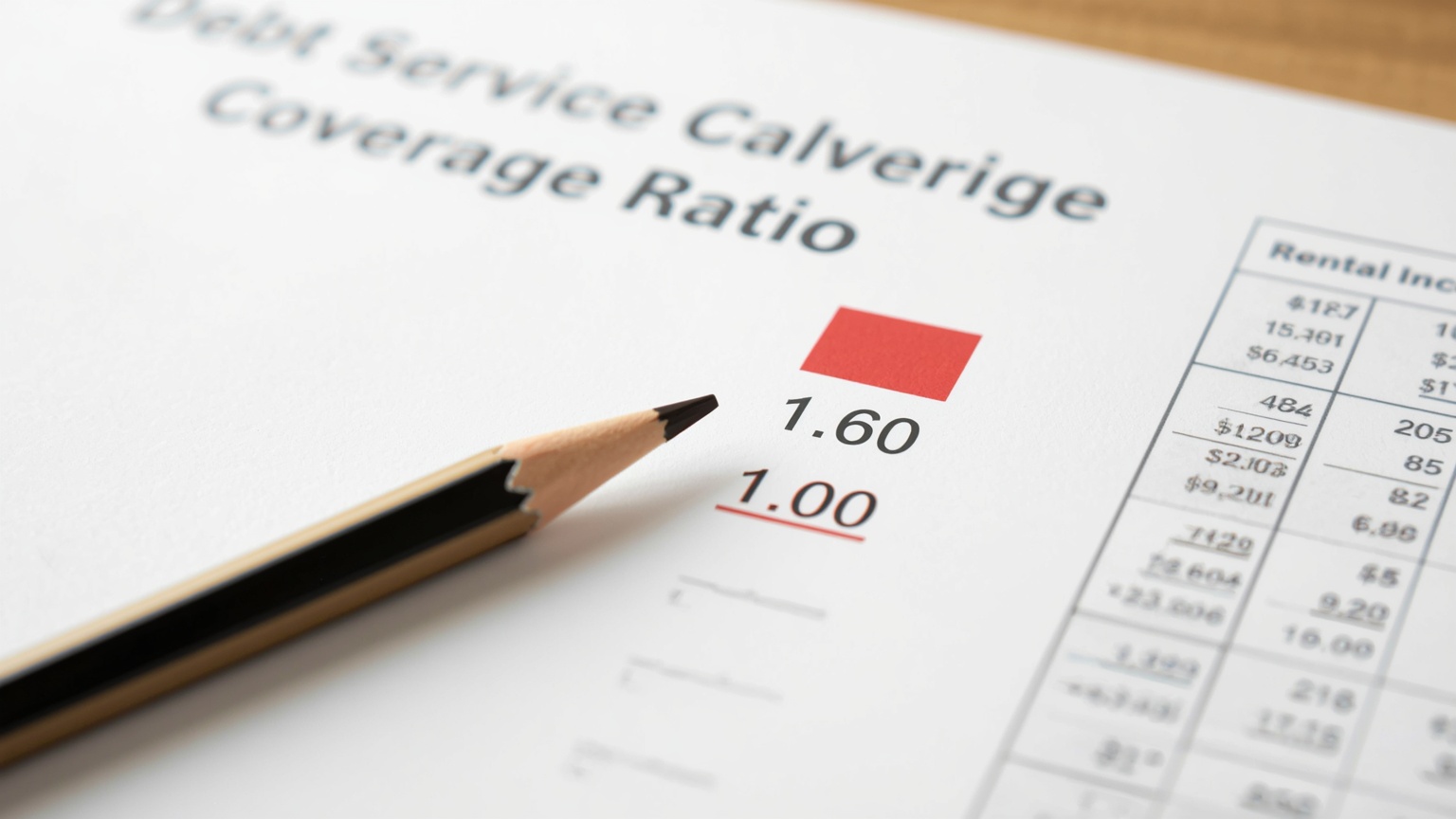
However, the mechanics of DSCR underwriting create a natural vulnerability to rising rates. As interest rates climb, monthly mortgage payments increase, which directly erodes the debt service coverage ratio. A property that comfortably achieved a 1.25x DSCR at a 4% interest rate may fall below the minimum 1.0x threshold when rates reach 7% or higher, even though the underlying rental income has not changed.
This compression effect means fewer borrowers can qualify for DSCR financing during high-rate periods, reducing origination volume for lenders focused on this product category. Additionally, existing DSCR borrowers with adjustable-rate components face increased default risk as their payments reset higher.
The Pivot Toward Bridge Lending
When long-term rental loan demand contracts due to rising rates, experienced private lenders typically shift their emphasis toward shorter-duration bridge loans. Bridge lending offers several advantages in a high-rate environment:
- Shorter duration limits the lender’s exposure to further rate movements
- Higher yields compensate for the increased cost of capital
- Value-add collateral provides built-in equity creation through renovation or repositioning
- Faster capital recycling allows lenders to redeploy funds more frequently
Bridge loans for fix-and-flip projects, value-add acquisitions, and transitional properties tend to maintain stronger demand even when long-term financing becomes more expensive, because the borrower’s exit strategy does not depend on permanent financing at current rates.
Adapting Your Lending Strategy to Rate Cycles
The key lesson for private lenders is that rigid attachment to any single loan product creates unnecessary portfolio risk. Effective lending operations maintain the infrastructure and expertise to originate across multiple product categories, allowing them to shift emphasis as market conditions evolve.
Lenders who built their entire platforms around DSCR origination during the low-rate years found themselves scrambling to develop bridge lending capabilities when rates rose. Conversely, lenders who maintained diversified product offerings were able to transition smoothly and maintain origination volume throughout the rate cycle.
Building this kind of operational flexibility requires thoughtful legal and compliance preparation. Each loan product carries distinct documentation requirements, regulatory considerations, and risk profiles that must be addressed in advance rather than in reaction to market shifts.
Positioning for the Road Ahead
Interest rate cycles are a permanent feature of real estate lending markets. Whether rates are rising, falling, or holding steady, the lenders who consistently outperform are those who anticipate shifts and prepare their operations accordingly.
Geraci LLP works with private lenders to structure loan documentation, navigate regulatory requirements, and develop product strategies that perform across varying market conditions. To discuss how your lending operation can adapt to the current rate environment, reach out to our team at (949) 403-3488 or visit us at 90 Discovery, Irvine, CA 92618.