
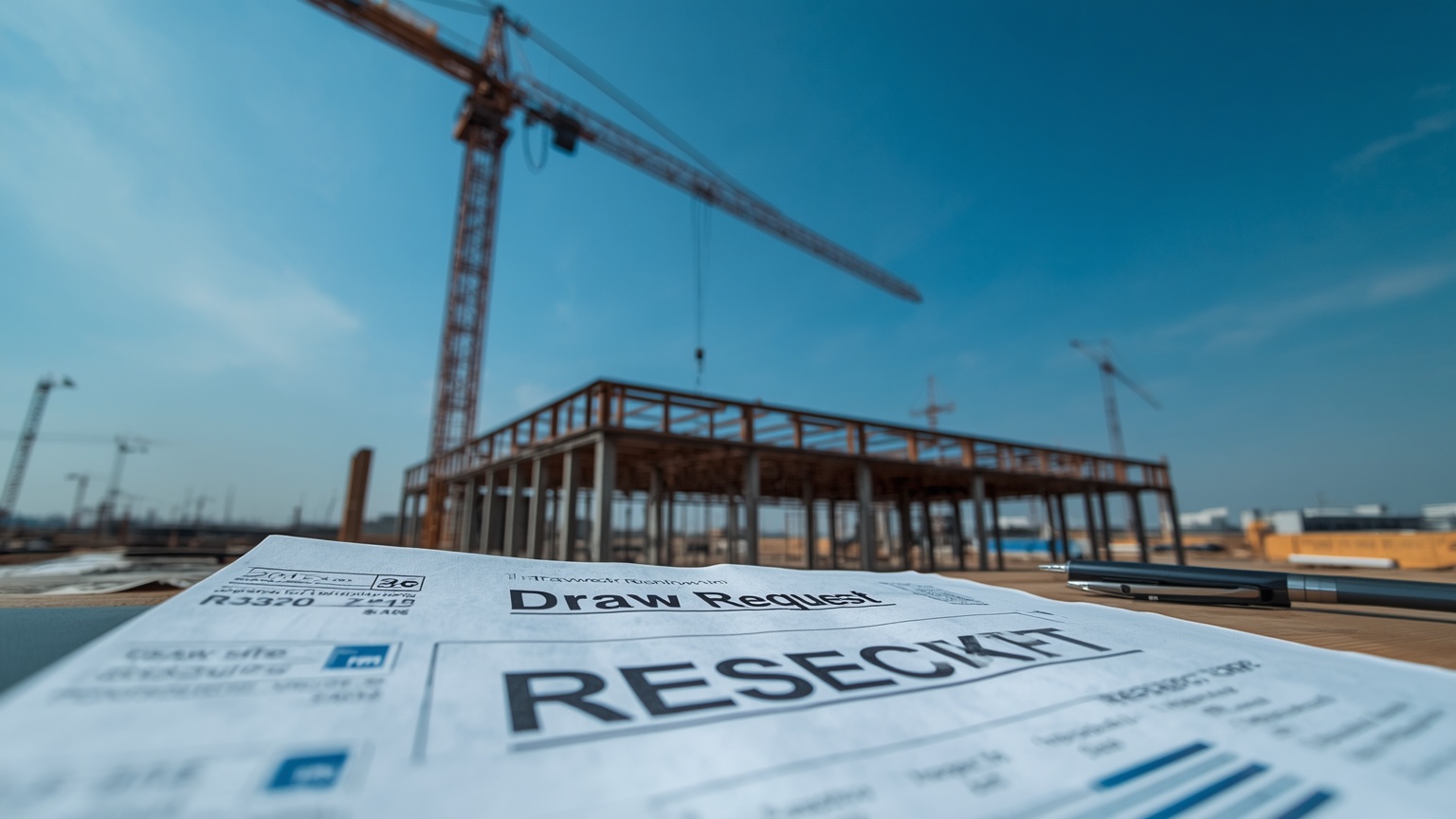

Commercial construction lending presents both significant opportunities and heightened risks. Unlike stabilized property loans, construction financing depends on successful project completion—an outcome that requires ongoing monitoring and specialized underwriting throughout the loan term.
The Construction Lending Difference
Standard real estate loans are secured by existing, income-producing properties. Construction loans finance the creation of value. Lenders must evaluate not just current conditions but future execution capability.
This distinction creates unique considerations:
- Value at Risk: Until construction completes, the property may be worth less than the loan balance
- Execution Dependence: Success requires the borrower to actually build the planned project
- Timeline Sensitivity: Delays create compounding costs and risks
- Budget Discipline: Cost overruns can exhaust loan reserves
Pre-Closing Underwriting
Project Pro Forma Analysis
The pro forma—projected income and expenses for the completed project—indicates whether the development makes economic sense. Lenders should evaluate:
If construction costs approach expected project value, insufficient margin exists for contingencies. These projects fail first when conditions deteriorate.
Construction Budget Review
The construction budget requires detailed line-item analysis:
- Site work and foundation
- Building shell and core
- Mechanical, electrical, plumbing
- Interior finishes
- Landscaping and site improvements
- General contractor fees
- Bonding and construction insurance
- Interest and fees
- Architecture and engineering
- Legal and accounting
- Permits and inspections
- Leasing and marketing
- Development fees
- Contingency reserves
Developer Experience Assessment
Even sound projects fail with inexperienced execution. Evaluate:
Contractor Evaluation
The general contractor’s capability affects project success:
Draw Administration
Construction loans fund in draws as work progresses. Proper draw administration protects lender security.
Draw Request Procedures
Establish clear procedures for:
Verification Before Disbursement
Before releasing draws, verify:
Third-Party Inspection
Independent construction inspectors provide objective work verification:
- Confirm percentage of completion for each budget line item
- Identify quality deficiencies or specification deviations
- Flag potential problems before they escalate
- Document conditions with photographs and reports
Regular inspections—typically monthly with each draw request—provide early warning of developing issues.
Title Updates
Before each draw, obtain title updates confirming:
- No mechanics’ liens have been recorded
- No other unexpected liens have attached
- The lender’s priority position remains intact
Monitoring Progress
Regular Reporting
Require ongoing project reporting:
Site Visits
Beyond formal inspections, periodic site visits by lender representatives provide:
- Direct observation of activity levels and progress
- Relationship maintenance with project team
- Early identification of problems not captured in formal reports
- Assessment of site conditions and safety practices
Warning Signs
Watch for indicators of developing problems:
Managing Problems
Change Orders
Scope changes are inevitable. Establish procedures for:
Excessive change orders may indicate deeper project problems requiring enhanced monitoring.
Budget Shortfalls
When remaining loan proceeds appear insufficient to complete construction:
Contractor Default
If the general contractor fails:
Loan Documentation Considerations
Detailed Loan Agreements
Construction loan agreements should address:
- Detailed budget incorporating all hard and soft costs
- Draw request procedures and approval requirements
- Conditions precedent to each draw
- Representations regarding permits, plans, and contracts
- Covenants regarding project management and reporting
- Events of default specific to construction progress
- Remedies including right to complete construction
Collateral Assignments
Obtain assignments of:
- Construction contracts
- Architectural and engineering agreements
- Plans and specifications
- Permits and approvals
These assignments enable the lender to step in and complete the project if necessary.
Survey Requirements
Obtain foundation surveys after foundation completion to verify:
- Building location matches approved plans
- No encroachments on easements or neighboring properties
- Proper setback compliance
Conclusion
Commercial construction lending rewards lenders who develop specialized competence. Thorough pre-closing underwriting, rigorous draw administration, and active progress monitoring combine to manage the execution risks inherent in development finance.
For lenders expanding into construction lending, building appropriate infrastructure and expertise—or partnering with specialists who possess it—determines success in this specialized segment.



