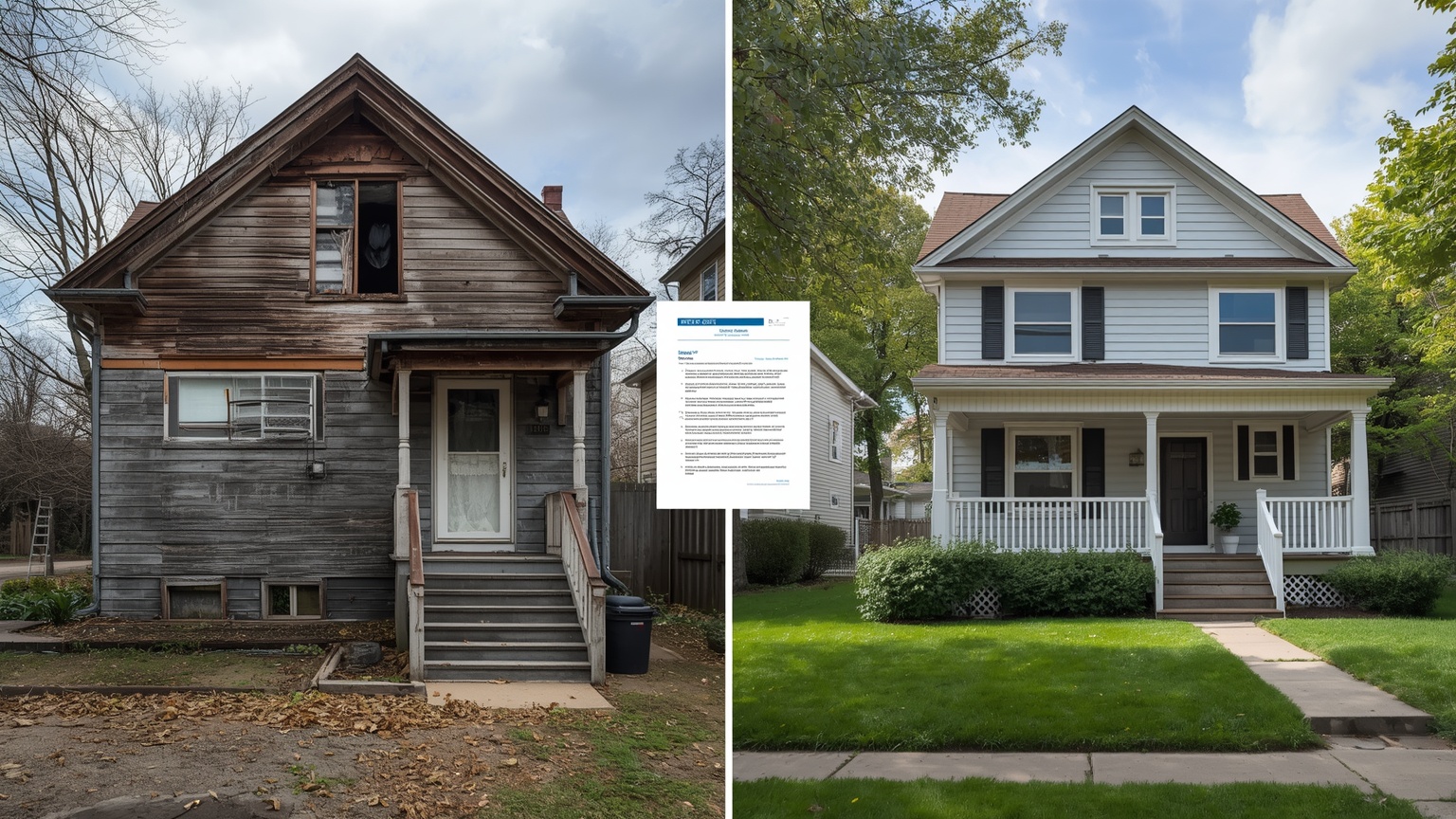

Why Fix-and-Flip Remains a Top Opportunity for Private Lenders
The home rehabilitation sector continues to deliver strong returns for investors and private lenders alike. With sustained demand for renovated housing stock and limited inventory across most U.S. markets, fix-and-flip transactions represent one of the most reliable short-term investment vehicles in real estate. Average gross profits on completed rehab projects have consistently exceeded $60,000 per transaction in recent years, making this asset class highly attractive to both seasoned investors and those entering the space for the first time.
Growth in Private Lending for Rehabilitation Projects
Traditional Wall Street institutions have largely remained on the sidelines of the fix-and-flip market, leaving significant opportunity for non-bank lenders, regional financial institutions, and private mortgage funds. The appeal for these lenders is straightforward: rehabilitation loans typically carry annual interest rates between 8% and 12%, far exceeding the yields available on conventional 30-year residential mortgages. Furthermore, fix-and-flip loans are inherently short-term instruments, usually structured with terms measured in months rather than years. This compressed timeline allows lenders to redeploy capital quickly and reduces long-term exposure to interest rate fluctuations.
The combination of higher yields and shorter durations has drawn a growing number of private lenders into the rehabilitation lending space. For fund managers and individual investors seeking attractive risk-adjusted returns, fix-and-flip financing offers a compelling portfolio component.
Demographic Shifts Driving Housing Rehabilitation Demand
Several macro-level trends have converged to sustain demand for renovated homes. The remote work revolution that accelerated during the early 2020s permanently altered where Americans choose to live. Workers in high-cost metropolitan areas discovered they could maintain their employment while relocating to more affordable communities. This migration pattern has persisted well into 2025, driving continued demand for housing in secondary and tertiary markets.
At the same time, the chronic shortage of existing housing inventory remains a defining characteristic of the U.S. real estate market. New residential construction has not kept pace with population growth and household formation since the post-2008 building slowdown. National inventory levels have hovered near historic lows, pushing prices higher and creating strong incentives for investors to acquire and rehabilitate older properties.
Price Points and Property Characteristics in the Rehab Market
Fix-and-flip properties tend to occupy the more accessible end of the housing market. A significant majority of completed rehab sales have historically closed below $300,000, positioning these homes squarely within reach of median-income buyers. Rehabilitated properties also tend to be somewhat smaller than the typical single-family home, often averaging around 1,500 square feet compared to the national median of approximately 2,000 square feet.
This price and size profile works to the advantage of both investors and their lenders. Acquisition costs remain manageable, rehabilitation budgets are more predictable on smaller properties, and the finished product appeals to a broad base of potential buyers seeking move-in-ready homes at competitive prices.
The Financing Pipeline Remains Robust
Several factors point toward sustained demand for fix-and-flip financing. Rising home values mean that investors frequently need additional capital to acquire properties, and the financing needs of professional rehab operators continue to grow as they scale their businesses. Industry projections have consistently estimated annual fix-and-flip sales volumes in the range of $60 billion to $80 billion, underscoring the depth of this market.
The vast majority of homebuyers prefer to purchase fully renovated, move-in-ready properties rather than undertaking rehabilitation projects themselves. This persistent consumer preference ensures ongoing demand for the professional investors and operators who transform distressed properties into desirable homes, and by extension, ongoing demand for the lenders who finance those transactions.
Strategic Considerations for Private Lenders
For private lenders evaluating opportunities in the rehabilitation lending market, several key factors merit attention:
- Underwriting discipline remains paramount. Accurate after-repair valuations, realistic construction budgets, and thorough borrower due diligence form the foundation of successful fix-and-flip lending programs.
- Geographic diversification can help mitigate concentration risk. Markets experiencing population growth and limited new construction tend to offer the strongest fundamentals for rehabilitation investments.
- Loan structuring should account for potential construction delays and market shifts. Building appropriate reserves and establishing clear draw schedules protects both the lender and the borrower.
Private lenders who maintain rigorous underwriting standards while remaining responsive to borrower needs are well-positioned to capitalize on the continued strength of the home rehabilitation market.
For questions about structuring a fix-and-flip lending program or navigating the legal requirements of rehabilitation lending, contact Geraci LLP at (949) 403-3488 or visit our offices at 90 Discovery, Irvine, CA 92618.